The Finest Materials for Bifold Doors: Wood, Aluminum, or Vinyl?
Choosing the ideal choice for bifold doors is a fundamental decision that impacts both performance and appearance. Wood offers a timeless look but requires regular care. Aluminium offers a clean, refined appearance but may lack adequate thermal efficiency. PVC is cost-effective and easy to maintain, yet doubts surrounding long-term performance emerge. All choices hold its strengths and weaknesses. Appreciating these differences can guide toward a decision that suits specific goals and priorities. How will the right selection ultimately be determined?
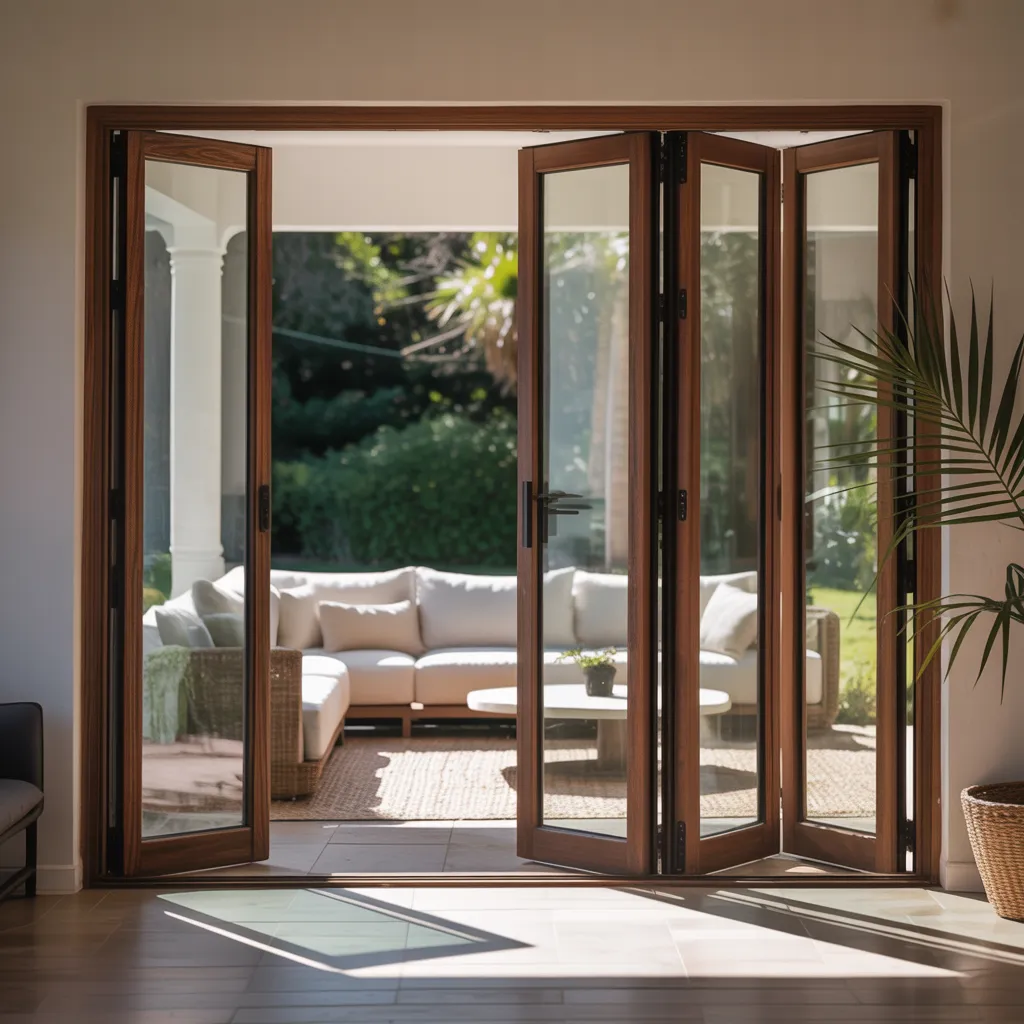
Choosing the Right Material for Your Bifold Doors
When choosing the best option for bifold doors, how can one navigate the wide range of options available? Homeowners should consider factors such as durability, maintenance, and energy efficiency. Common materials include vinyl, wood, and aluminum, each possessing unique characteristics.
Wood offers a warm and natural aesthetic but demands regular maintenance to protect against deterioration and warping. Aluminum material is lightweight and resistant to rust, making it a practical choice for minimal upkeep, though it could be deficient in the thermal insulation of other materials. PVC vinyl, celebrated for its weather resistance and cost-effectiveness, is equally easy to maintain but could fall short of providing the same aesthetic appeal as natural wood.
In the end, the choice depends on personal preferences, budget constraints, and the specific climate. Assessing these factors enables homeowners to reach a well-informed decision that satisfies both practical and stylistic requirements. Every material offers its own unique benefits, making certain that the most suitable material will maximize the performance of bifold doors.
The Stunning Allure of Wood Bi-Fold Doors
Wood bifold doors deliver an enduring natural elegance that transforms any room. With flexible design choices, they are able to complement numerous interior styles, from rustic to modern. The innate warmth and character of wood add an exceptional appeal, making these doors an ideal selection for home owners.
Classic Natural Beauty
The allure of wood bifold doors lies in their ability to seamlessly blend natural beauty with functional design. Such doors add warmth and distinction to any living area, highlighting the distinctive grain patterns and deep tones naturally found in wood. The organic texture of these doors enhances depth, fostering a comfortable atmosphere that pairs well with diverse interior designs. In contrast to synthetic alternatives, wood represents a timeless sophistication that speaks to tradition and skilled craftsmanship. When light passes through, it accentuates the natural color variations, elevating the visual appeal. Additionally, wood's versatility allows for customization, enabling homeowners to choose finishes that align with their personal taste. In the end, wood bifold doors act as a striking centerpiece, enhancing the overall atmosphere of a home while remaining highly practical.
Adaptable Design Selections
Bifold doors provide a remarkable range of design options that elevate the visual charm of any space. Wooden bifold doors, in particular, access this information showcase versatility, catering to diverse interior styles—ranging from rustic warmth to contemporary sophistication. Their natural grains and finishes can be customized to match existing decor, permitting homeowners to establish a cohesive look. Furthermore, numerous wood varieties, including oak, maple, and walnut, offer different textures and colors, broadening design opportunities even more. The choice to integrate glass panels into wooden frames introduces a contemporary touch while retaining a sense of coziness. This versatility renders wood bifold doors not only practical but also a stunning centerpiece, attracting those who desire both elegance and functionality in their living spaces.
Heat And Dimension
Warmth and texture define the unique aesthetic appeal of bifold wood doors, adding a sense of elegance and comfort to every room. The natural grains and variations in wood create a visually striking element, inviting touch and enhancing the overall design. In contrast to synthetic materials, wood delivers an organic quality that works well with numerous interior styles, from classic to modern. Its ability to absorb light adds depth and richness, making rooms feel more comfortable and inviting. In addition, bifold wood doors can be effortlessly stained or painted, enabling homeowners to tailor their look to reflect personal style. This versatility, combined with the inherent beauty of wood, guarantees that bifold doors remain a timeless choice for enhancing the aesthetic charm of any environment.
The Low-Maintenance Benefits of Vinyl Bifold Doors
Although many door materials require regular upkeep, vinyl bifold doors stand out for their low-maintenance qualities. As opposed to wood, which typically needs routine staining or sealing to ward off damage, vinyl is resistant to rot, moisture, and pests. This built-in durability decreases the demand for repairs and replacements in the long run.
Furthermore, vinyl bifold doors don't need painting, as they come in a wide range of colors that retain their appearance without losing their color. Cleaning is hassle-free—most surfaces can be washed down with a damp rag and mild soap, making upkeep a hassle-free task.
Furthermore, vinyl will not crack or warp under different weather conditions, ensuring dependable performance year-round. This blend of resilience and ease of care makes vinyl bifold doors an appealing solution for home owners looking for both aesthetics and practicality, promoting a maintenance-free installation that is built to last without much attention.
Durability Showdown: Which Bifold Door Material Has Greater Longevity?
When comparing the longevity of materials used in bifold doors, wood introduces particular elements that affect its lifespan, such as susceptibility to moisture and pests. Alternatively, aluminum and vinyl provide notable benefits regarding resistance to environmental wear and tear. Knowing these key differences can enable buyers to make well-informed selections about which material will last longer in diverse weather conditions.
Wood Strength and Durability Factors
Assessing the longevity of wood in bifold doors reveals several important factors influencing their lifespan. One key factor is the type of wood used; hardwoods, such as oak and maple, generally provide superior strength compared to softer woods like pine. Additionally, the sealing and finishing methods significantly influence wood resistance against humidity and pests. Proper sealing and regular maintenance can prevent warping and rotting, increasing the longevity of wooden doors. Environmental conditions, such as moisture levels and temperature changes, likewise significantly affect wood durability. Lastly, the quality of construction and hardware used in the bifold system can strengthen overall performance, ensuring that wooden bifold doors remain functional and visually appealing over time.
Aluminum and Vinyl Longevity Compared
Both aluminum and vinyl serve as widely used materials for bifold doors, their longevity and durability differ considerably. Aluminum is well known for its robustness and ability to resist warping, rust, and corrosion, making it an ideal choice for a wide range of climates. With proper maintenance, aluminum bifold doors can last several decades. In contrast, vinyl offers excellent insulation and low maintenance but may be prone to fading and brittleness over time, especially in extreme temperatures. As a rule, vinyl doors do not last as long as their aluminum counterparts. In the end, the decision between aluminum and vinyl depends on individual requirements, such as climate considerations and preferred aesthetics. Homeowners who value lasting strength and resilience may gravitate toward aluminum, while homeowners who value superior insulation may opt for vinyl.
Cost Breakdown: Investing in Bifold Doors
Opting for bifold doors can significantly improve both the decorative and operational aspects of a space, particularly when evaluating the long-term value. The cost of bifold doors differs based on installation complexity, materials, and size. In most cases, wood alternatives tend to be the most costly due to their quality and craftsmanship, ranging from $1,200 to $4,000. Aluminum-framed bifold doors offer a balance of durability and affordability, typically priced between $1,000 and $3,500. Vinyl bifold doors are often the most affordable option, with costs ranging from $800 to $2,500.
Installation costs should also be factored in, as professional installation can contribute an extra $300 to $1,000. Homeowners should consider not only the initial investment but also potential long-term savings on energy efficiency and maintenance. In the end, the selection of material and budget will be guided by personal preferences and the unique demands of the area being improved.
Factors to Consider for Your Bifold Door Selection
Picking the right bifold door includes various key aspects that can considerably affect both practicality and style. For starters, the selection of material—aluminum, wood, or vinyl—influences maintenance, appearance, and durability. Wood offers warmth but requires more upkeep, while aluminum is robust and modern, and vinyl offers minimal upkeep at an affordable cost.
Furthermore, the door size and configuration are vital; they need to accommodate the specified area and serve the planned purpose. Energy efficiency remains another significant aspect to consider, particularly in regions where insulation is a necessity.
Moreover, the ideal level of privacy and light control should inform the purchasing decision, as not all materials and designs deliver the same level of effectiveness. To conclude, budget limitations are an important factor, shaping the variety of available options. By carefully considering these factors, homeowners can make informed decisions that enhance their living spaces.

Frequently Asked Questions
Are Bifold Doors Available in Custom Sizes and Designs?
Bifold doors are highly customizable in terms of size and design, allowing homeowners to tailor them to specific dimensions and aesthetic preferences. This versatility caters to various architectural styles while boosting the overall functionality of residential spaces.
Which Material Works Best for Energy Efficiency?
Aluminium bifold doors, when thermally broken, provide exceptional energy efficiency due to their insulation properties. That said, vinyl doors provide excellent thermal performance as well, making both materials strong contenders for environmentally conscious applications in various environments.
How Do I Maintain My Bifold Doors Over Time?
Routine upkeep of bifold doors includes track cleaning, copyright lubrication, warping inspection, and seal integrity checks. Routine checks allow homeowners to detect signs of wear, while timely repairs extend the lifespan and functionality of the doors.
Do Bifold Doors Work Well for Exterior Installations?
Bifold doors may work well for exterior settings, most notably when crafted from weather-resistant options like aluminum or treated timber. Proper installation and maintenance are essential to guarantee durability against external elements and enhance overall performance.
What Are the Most Common Colors for Bifold Doors?
The most sought-after colors for bifold doors feature crisp white, bold black, and rich natural wood hues. These selections accommodate varied style preferences, enhancing both modern and traditional interiors while offering flexibility across different design styles.